Citroën 2CV concept revealed with 2028 EV launch target
Citroën’s new 2CV concept adds a 2028 launch target, compact dimensions and a canvas roof, while Peugeot separately reveals the 805bhp e-T16 hatch.
 By Harriet Lowe · 5 min read
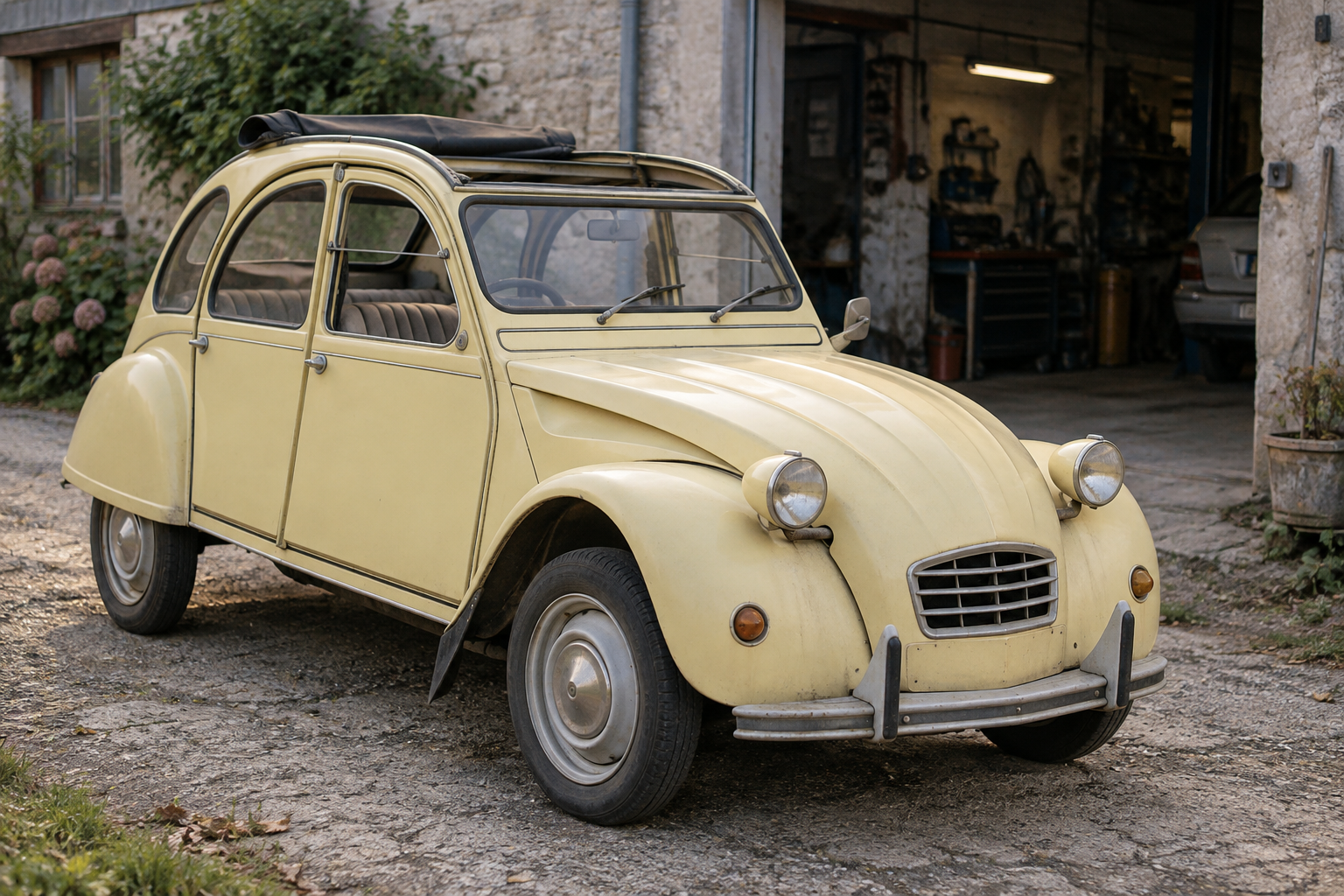
Citroën has now revealed its electric 2CV concept in Paris, with a production launch targeted for 2028, according to Autocar. The full reveal adds a compact footprint, a one-tonne weight ambition and a furnished cabin to the project: more substance for prospective buyers, rather than another tantalising outline drawing.
Citroën 2CV concept gains dimensions and a cabin
At 3.76 metres long, the concept is shorter than the 1948 original. Citroën is targeting a kerb weight of 1,000kg, which would put it among the lightest electric cars available. Those are different kinds of number: the length describes the show car, while the weight remains a development objective, not a production figure ready for the handbook.
Our earlier Citroën 2CV revival preview covered the budget brief; the fuller report now puts the target at €15,000, approximately £12,750. That sterling figure is a conversion, not a confirmed British list price. Citroën’s ambition could put the car at the bottom of the UK new-car market, but a target is not an order form.
The cabin contains yellow tartan bench seats, a small infotainment touchscreen and a removable radio designed to double as a Bluetooth speaker outside the car. The picnic accessory is charming, but the more consequential design choice is the seating: Citroën has given the interior a recognisable identity without relying on an enormous display to provide all its personality.
The original’s umbrella-handle gearlever has been reinterpreted as an EV selector for park, reverse, neutral and drive. A single-spoke steering wheel joins mushroom-shaped pedals that reference early 2CVs, the DS and SM. This is a broader rummage through Citroën’s design cupboard, rather than an attempt to reproduce every original component in plastic.
Separately, Peugeot has revealed the e-T16 concept, which previews the next e-208’s appearance while reviving a famous rally designation. Autocar reports a claimed 805bhp and a 0–186mph time of 16 seconds. It remains a concept, not a confirmed showroom model. Where the Citroën’s headline engineering ambition concerns mass, Peugeot’s concerns how rapidly mass can be frightened down a road.
Why the 2CV and Peugeot T16 revivals differ
The new 2CV requires an entirely new electric platform, distinct from both the current C3’s Smart Car architecture and Stellantis’s forthcoming STLA One. According to the report, it is being devised around the EU’s proposed E-car regulations, intended to encourage smaller electric vehicles. Proposed is the important word: the programme is responding to an emerging regulatory opportunity, not an already settled rulebook.
No battery capacity or driving range is specified for the 2CV. Useful reference points are Citroën’s e-C3 Urban Range, with a 30kWh lithium-iron-phosphate battery and a reported 130-mile range, and the Renault Twingo, with 28kWh and 157 miles. Neither set of figures belongs to this concept. A smaller battery would help its weight objective, but choosing a number now would be guesswork wearing a lab coat.
This is also a different proposition from Land Rover’s Works V8 conversions for existing Defenders: Citroën is developing a new vehicle, not upgrading an owner’s classic. Its price ambition places it below another character-led offering, the £35,000 Crayford Mini Mojito beach car. Heritage here is being recruited for everyday transport, rather than reserved for a discretionary plaything.
Peugeot’s historical reference was anything but ordinary transport. The mid-engined, four-wheel-drive 205 T16 helped deliver World Rally Championship manufacturers’ titles in 1985 and 1986. It was fundamentally different from the front-engined 205 GTi. Reviving T16 therefore invokes the competition special, not simply a familiar hot hatch with a more exuberant bodykit; the mechanical distinction matters as much as the name.
Citroën and Peugeot designers explain their plans
Citroën chief designer Antoine Gaillot-Drevon told Autocar that the 2CV project changed substantially during two years of development. Successive management teams differed over whether to revive the original shape or pursue a less literal interpretation. The programme received approval for the recognisable revival after Xavier Chardon became chief executive. Its apparent simplicity conceals a fair amount of corporate to-and-fro.
Stellantis European design chief Gilles Vidal helped resolve the face by recommending larger headlights positioned further inboard. Having previously overseen Renault’s revived 4 and Twingo, he brought relevant experience. The V-shaped bonnet and projecting lamps were central ideas, but their placement was critical to Citroën’s stated intention to avoid an aggressive-looking small car. Not every bonnet needs to scowl.
Gaillot-Drevon also framed heritage as a competitive tool against newer Chinese manufacturers, telling Autocar: “You can't buy history.” That is the designer’s sales argument, not proof that nostalgia defeats price or practicality. His stated intended customers include rural nurses, updating the original rural-mobility brief around people who need affordable daily transport rather than a collectible tribute.
Peugeot design director Matthias Hossann, meanwhile, said production would depend on sufficient customer interest, with road use a priority for any eventual version. Autocar reports that designers are working with Peugeot’s PSE performance and endurance-racing specialists on a fully drivable prototype. That is a more substantial undertaking than a static styling exercise, although it still stops short of production approval.
What comes next for the 2CV and e-T16
One 2CV feature explicitly intended for production is the canvas roof. It must be rolled back or closed manually while stationary, preserving a physical interaction familiar to owners of the original. Interior materials are less settled: colour, material and trim designer Madeleine Ternisien said the final fabrics could differ while retaining the concept’s character. Yellow tartan is therefore a design direction, not yet a guaranteed order-sheet option.
The Citroën report does not identify a manufacturing site or a UK ordering date. Those are practical gaps worth watching alongside the 2028 launch target. A prospective British buyer still needs a local specification and buying timetable before deciding whether to wait; the Paris reveal supplies a much clearer product proposition, but not the information needed to place a properly informed order.
Peugeot’s mainstream programme has a more detailed calendar. The next electric e-208 is due to be revealed in final form early in 2027, with sales planned for the second half of that year. Today’s combustion-engined 208 is scheduled for a substantial update around the same time and is expected to remain available beyond 2030. The electric replacement will not immediately evict its petrol relation.
The forthcoming e-208 will be around 4.1 metres long, slightly smaller than the e-T16 concept. Its general silhouette is expected to carry over, alongside wraparound lighting that develops Peugeot’s claw motif using references to the 205’s grille. Hossann stressed that these connections do not amount to a wholesale switch to retro styling: the competition costume previews a broader design change.
Technical questions remain around the e-T16. Autocar understands it to use a heavily upgraded STLA One platform, but precise specifications have not been disclosed. Its output matches that of a Formula E racer, without confirmation that the powertrain is related. Renault’s 533bhp 5 Turbo 3E offers an obvious comparison, yet Peugeot still has to establish whether its much more powerful proposal will reach customers at all.
Timeline
- 1948Citroën unveils the original 2CV at the Paris motor show.
- 1985The Peugeot 205 T16 helps secure Peugeot’s first World Rally Championship manufacturers’ title.
- 1986Peugeot wins a second consecutive World Rally Championship manufacturers’ title with the 205 T16.
- Early 2027Peugeot plans to reveal the next production e-208 in its final form.
- Second half of 2027Sales of the next Peugeot e-208 are scheduled to begin.
- 2028Citroën targets the production launch of its revived electric 2CV.
Why this matters
These programmes put French heritage to two very different jobs: affordable daily transport for Citroën and performance credibility for Peugeot. Neither is a conversion requiring an existing classic to surrender its mechanical identity. For buyers, the important distinction is between a production target and a production commitment: the 2CV now has dimensions, features and a launch ambition, while the e-T16 still needs a business case. Enjoy the familiar names, certainly, but keep the deposit money parked until the promises become specifications.
Your questions answered
- when is the new electric citroen 2cv coming out
- Citroën is targeting a production launch in 2028. The Paris concept previews that car, but the report does not give a UK ordering date.
- how much will the new citroen 2cv cost
- The target is €15,000, approximately £12,750. That is an ambition and a currency conversion, not a confirmed British showroom price.
- how big is the new electric citroen 2cv
- The concept is 3.76 metres long, making it shorter than the 1948 original. Citroën is also targeting a 1,000kg kerb weight, although that remains a development objective.
- what range will the electric citroen 2cv have
- No range or battery capacity is specified in the report. Figures quoted for the e-C3 Urban Range and Renault Twingo are comparisons, not specifications for the new 2CV.
- will the new citroen 2cv have a canvas roof
- Yes, Citroën’s designer says the manually operated canvas roof is intended for production. It must be opened or closed while the car is stationary.
- is the peugeot e t16 going into production
- Not yet. Peugeot says production depends on sufficient customer interest. A fully drivable prototype is being developed, and road use is a priority for any eventual customer version.
- how fast is the peugeot e t16
- Peugeot claims 805bhp and 0–186mph in 16 seconds. These are concept claims, not independently verified production-car results; a top speed is not specified in the supplied report.
Sources
This is original reporting drawing on facts first published by:
Editor
Harriet LoweFormer auction-house specialist who has catalogued more barn finds than she can remember.
Read next
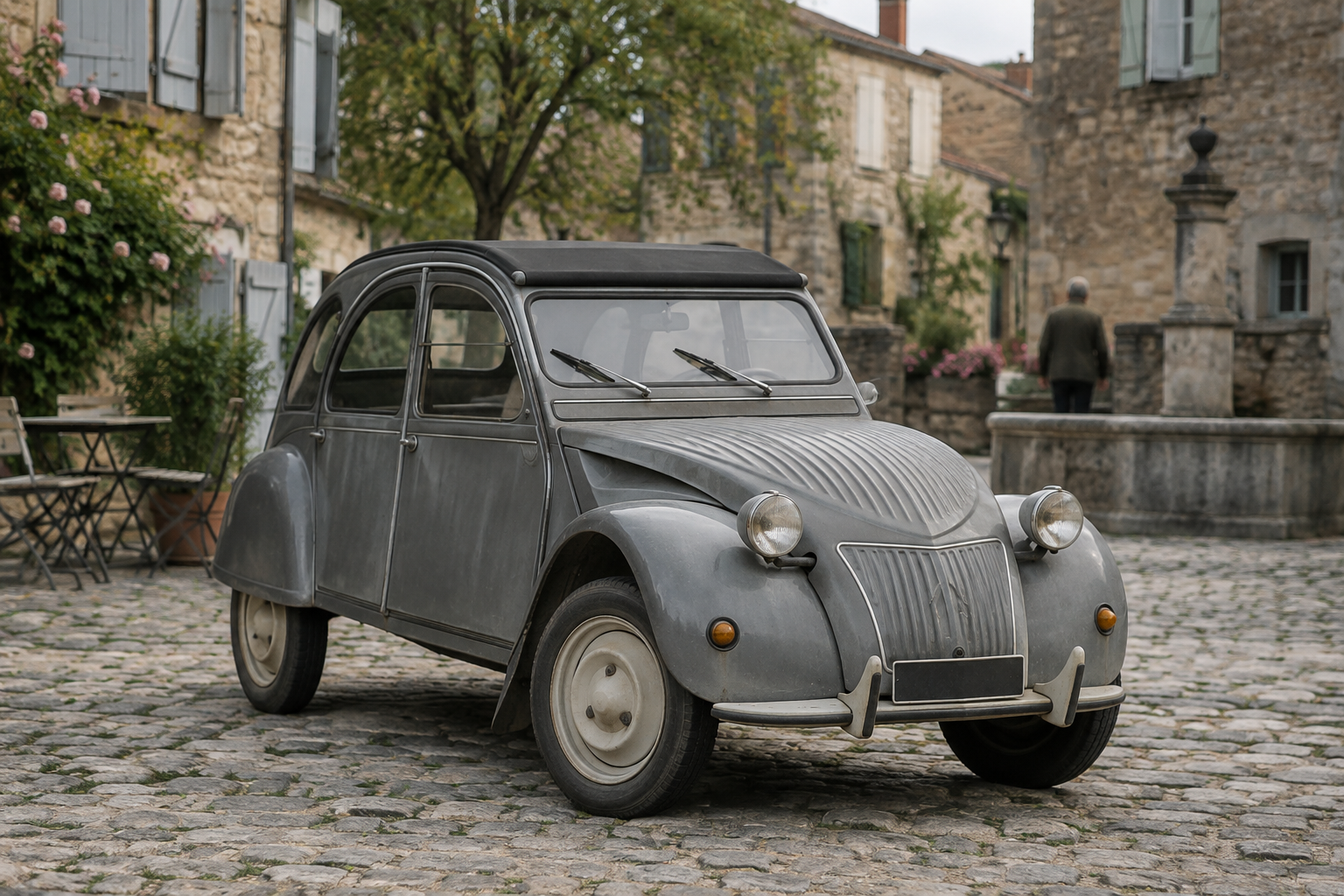
Citroën 2CV revival targets a sub-€15,000 EV price
Citroën previews an electric 2CV with a sub-€15,000 price promise ahead of its Paris motor show appearance, reviving a landmark in affordable motoring.
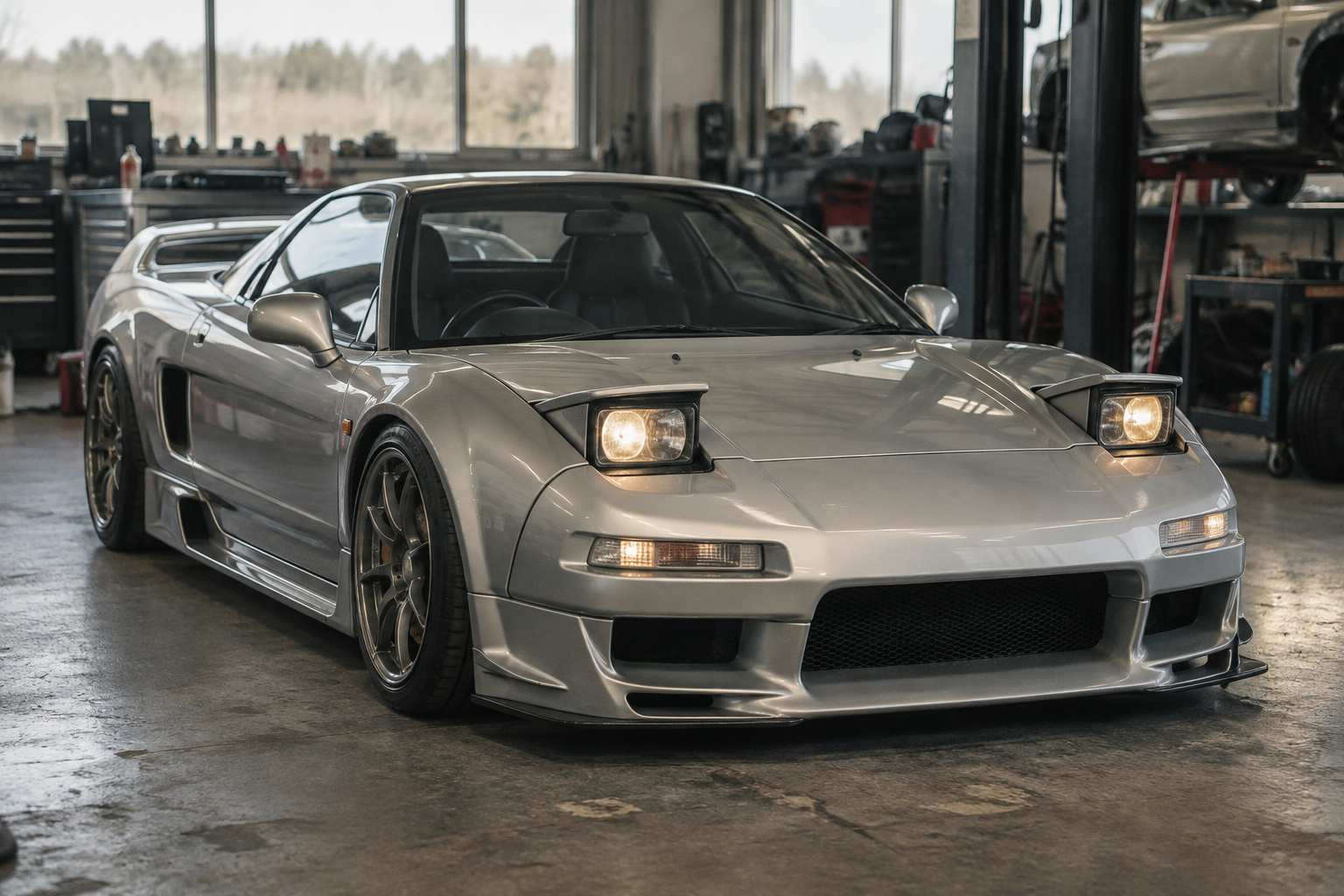
Honda NSX reborn as £770,000 JAS Tensei restomod
JAS Motorsport's Honda NSX Tensei pairs a Judd V6 with carbon bodywork and a manual gearbox, from £770,000 before VAT and the donor car; just 35 are planned.
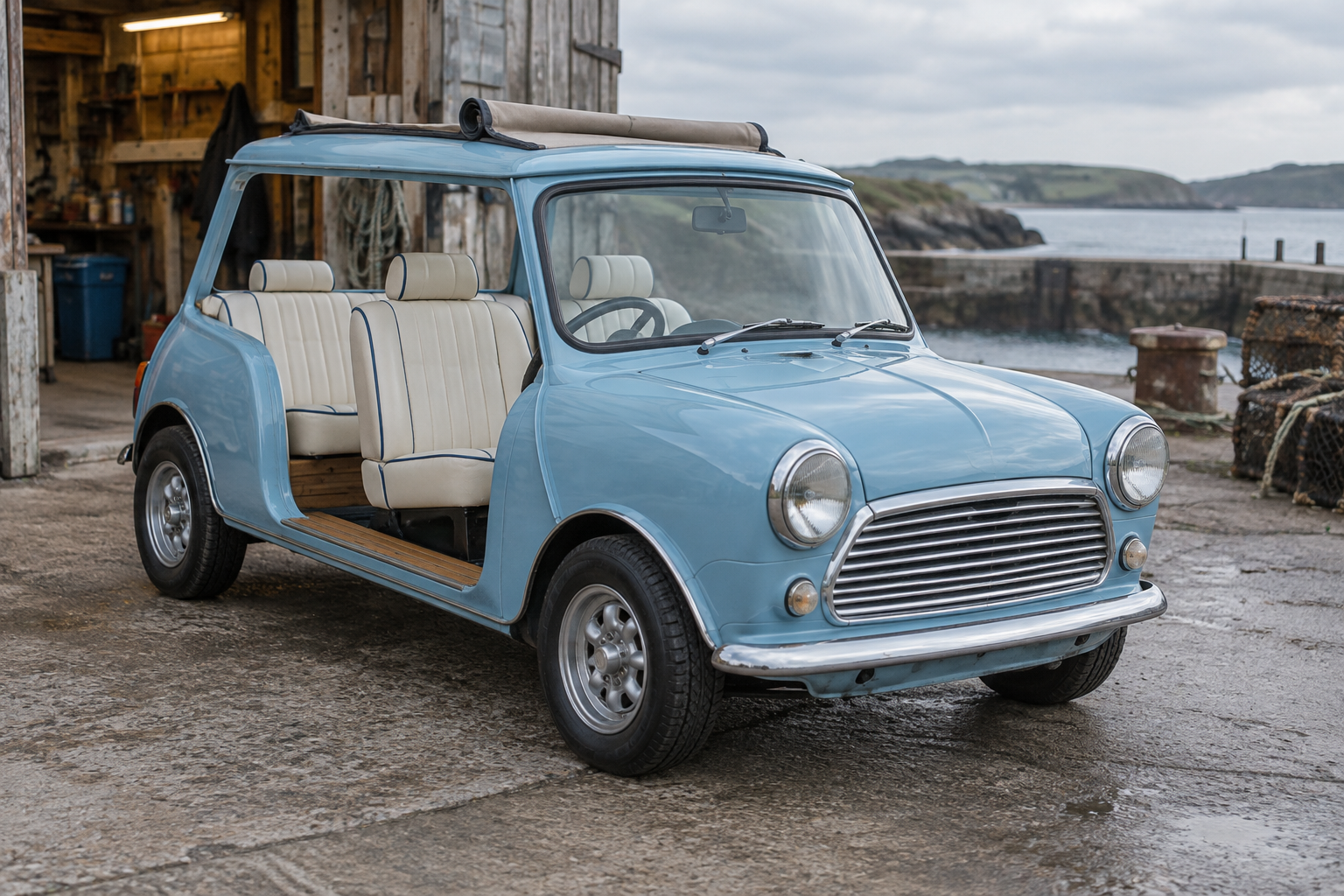
Crayford Mini Mojito: a £35,000 beach car with no doors
Crayford’s £35,000 Mini Mojito turns the classic Mini into a four-seat beach car, with open sides, marine trim and bespoke options to suit seaside life.